



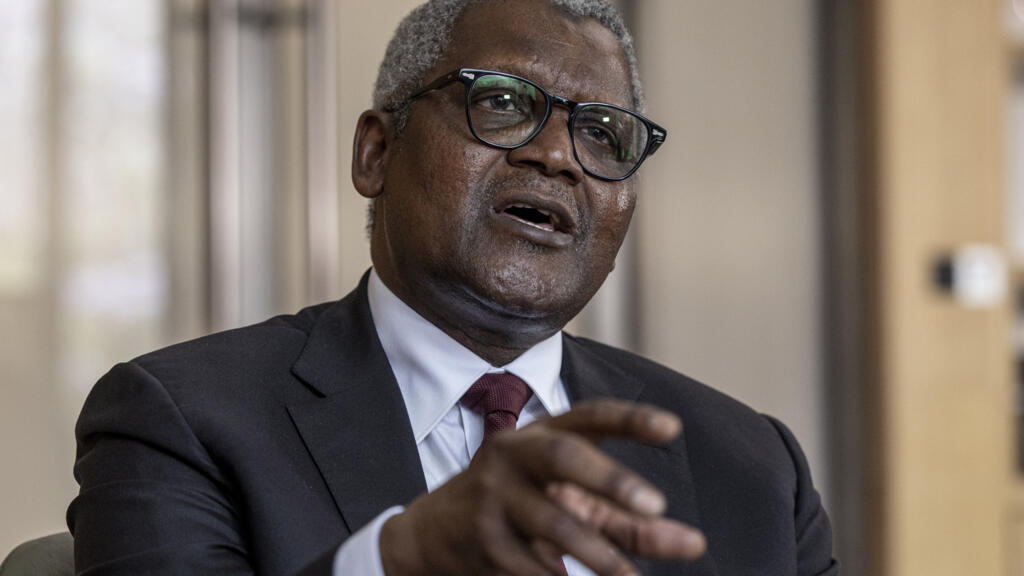
Nigerian industrialist Aliko Dangote and Kenyan President William Ruto broke ground on Wednesday for a $16 billion oil refinery in Lamu. Officials said the plant would process 700,000 barrels of crude a day and aim for completion by 2030.
Dangote sought to match the capacity of his Lagos refinery. He offered East African governments a combined 30 percent stake. Financing was planned as 30 percent equity and 70 percent debt.
David Ndii, chief economic adviser to Ruto, said annual regional demand for petroleum products stood at 20 million to 30 million metric tons. Officials said the Lamu site, Kenya’s second deep-water port, would also support petrochemicals, bitumen and a 1,000-megawatt power plant.
Ruto said the refinery would create about 60,000 jobs. Dangote told reporters in Nairobi that Africa should stop exporting raw materials and sell finished products instead. “By 2030, the majority of African countries will be self-sufficient. It does not matter where it is refined, but it should be in the African continent, on the soil of Africa,” he said.
He also told the BBC that protests over land compensation were “games played by local marketers and international players.” He insisted the plant would proceed as planned.
Dangote earlier cut the price from about $17 billion. “We first thought it was going to cost $17 billion, but it will cost less than that, about $16 billion,” he said, citing a faster build and lessons from Nigeria. He added, “Singapore doesn’t produce a single drop of oil, yet they have a lot of refineries.”
Engineers India received a $450 million contract as project manager. Some officials still questioned crude supply and regional energy infrastructure. Construction was slated to start after the ceremony, with full works expected from November.