



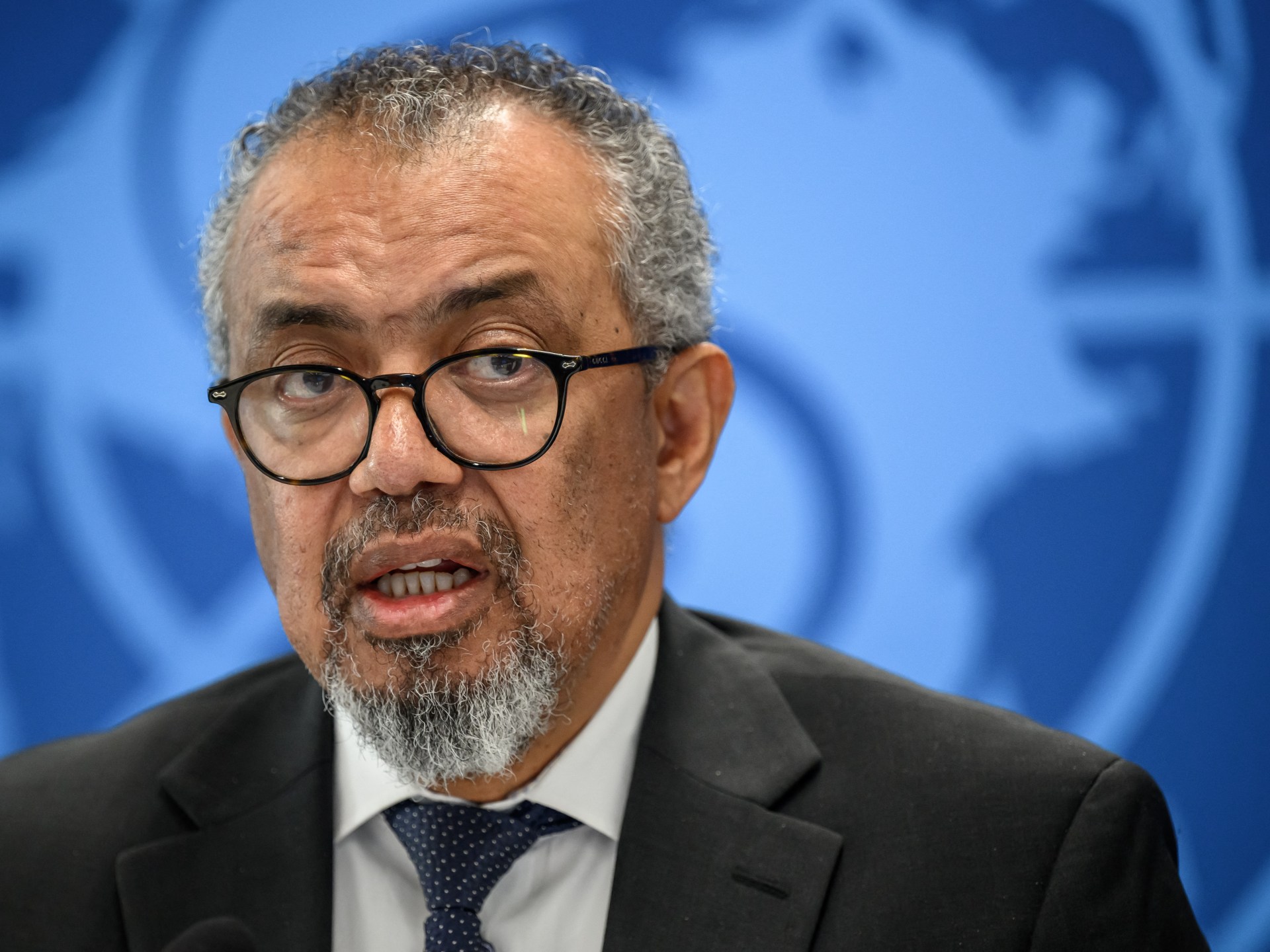
The Ebola outbreak in the Democratic Republic of the Congo and Uganda expanded rapidly in May 2026. Health authorities confirmed cases linked to the Bundibugyo virus strain. World Health Organization Director-General Tedros Adhanom Ghebreyesus addressed the crisis and highlighted the challenges ahead.
Health officials in the Democratic Republic of the Congo declared the Ebola outbreak on May 15, 2026, in Ituri Province. The virus first appeared in Mongbwalu and nearby health zones. Laboratory tests confirmed the Bundibugyo strain in several samples. Cases soon appeared in urban areas and spread across borders.
The World Health Organization declared the situation a Public Health Emergency of International Concern on May 17. This step came after consultation with officials from both countries. Responders noted delays in detection allowed the virus to circulate undetected for some time.
Suspected cases in the Democratic Republic of the Congo exceeded 900, with 101 confirmed infections and 10 confirmed deaths by late May. Suspected deaths reached around 220. In Uganda, authorities reported seven confirmed cases, mostly among healthcare workers, and at least one death. Many cases linked to travel from the Democratic Republic of the Congo.
Tedros Adhanom Ghebreyesus stated the true scale of the epidemic was much larger than confirmed figures indicated. He added that the epidemic outpaced response efforts at the time.
Insecurity in affected areas, population movement, and attacks on health facilities complicated containment. No approved vaccine or specific treatment existed for the Bundibugyo virus. Healthcare workers became infected, which raised particular concern.
Tedros Adhanom Ghebreyesus said, “We are facing an extremely serious and difficult outbreak. It will get worse before it gets better.” He noted, however, that experts knew how to stop the virus through proven public health measures.
Neighboring countries increased surveillance and border screening. The World Health Organization and partners scaled up operations, including contact tracing and laboratory testing. Authorities urged communities to report symptoms early and avoid contact with sick individuals.