



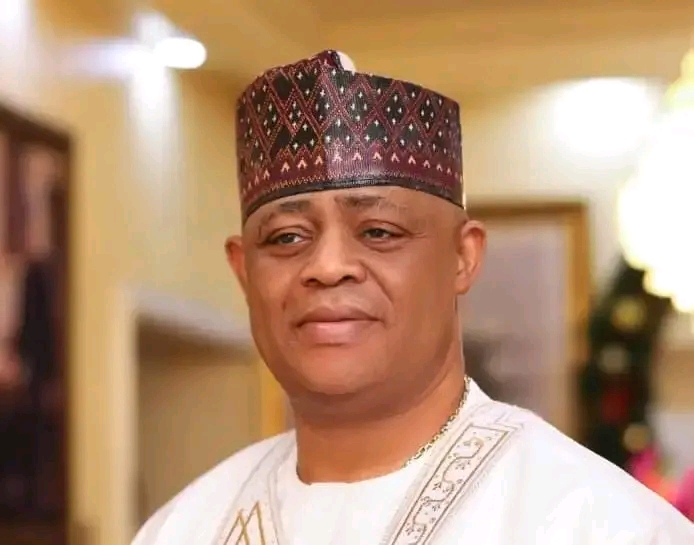
Pretoria formally raises concerns with High Commissioner Femi Fani-Kayode after the credentials ceremony controversy.
South Africa’s Department of International Relations and Cooperation summoned Nigeria’s High Commissioner Femi Fani-Kayode on Tuesday. The department’s Director-General Zane Dangor met the envoy to convey official concerns.
The meeting followed events after Fani-Kayode presented his letters of credence to President Cyril Ramaphosa. It also addressed remarks the Nigerian diplomat later posted on social media.
Fani-Kayode presented his credentials on November 13 at the Presidential Guest House in Pretoria. He joined 14 other ambassadors and heads of mission at the ceremony.
Afterwards, Fani-Kayode stated that officials excluded his introduction and speech from the livestream. He wrote on X: “Every single one of the 15 Ambassadors that were present were introduced formally and gave a speech. Curiously, the South African Presidency refused to air the introduction of my goodself and the Nigerian delegation or to air my speech. They went a step further by cutting us out of the livestream completely and went back on livestream only after my speech was concluded.”
He further claimed he raised the matter directly with Ramaphosa during a photo session. According to Fani-Kayode, the president questioned officials and directed them to resolve the issue, though it was then too late.
Presidential spokesperson Vincent Magwenya rejected the account. He stated that the president does not intervene in operational matters at public broadcasters and did not intervene on the envoy’s behalf. Magwenya described the Nigerian diplomat’s approach as “grossly inappropriate” on what he called a minor operational issue.
DIRCO later issued a formal statement after the Tuesday meeting. It said Dangor conveyed South Africa’s concern regarding the events that followed the presentation of credentials and the subsequent social media remarks.
Dangor reaffirmed the importance of the longstanding bilateral relationship between South Africa and Nigeria. He described it as founded on mutual respect, friendship and cooperation.
He also recalled Article 41 of the 1961 Vienna Convention on Diplomatic Relations. The provision requires diplomatic agents to conduct official business with the receiving state through its Ministry of Foreign Affairs. Officials emphasised that all official communication should go through established diplomatic channels, including DIRCO.