



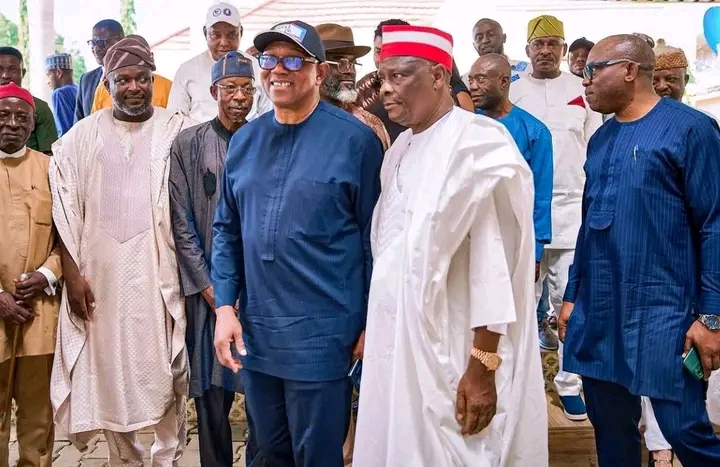
The presidential candidate of the Nigeria Democratic Congress, Peter Obi, has made a bold commitment to resolve the country’s lingering energy deficit by promising a minimum of 10,000 megawatts of electricity if elected.
Speaking at a town hall meeting in Onitsha, Anambra State, Obi outlined the comprehensive energy roadmap he plans to execute alongside his running mate, Rabiu Kwankwaso. The proposed administration aims to completely overhaul the generation, transmission, and distribution of power across the nation.
Obi addressed the current reality of the national grid, stating, “Today, Nigeria only generates, transmits and distributes about 4,000MW of electricity. Kwankwaso and I assure you that within our tenure, Nigeria will generate, transmit and distribute at least 10,000MW.”
Emphasizing the need for actionable plans over empty political rhetoric, the candidate assured citizens that their strategy is already in motion. He noted, “Take note of everything I said here, we don’t want to make fake promises. And we’re not going to go there and start telling you when we came in what we saw. We are seeing everything now, and we are planning for it.”
This ambitious target comes at a critical time for Nigeria, where the power sector has long been a subject of national concern. Recent data from the Nigerian Electricity Regulatory Commission indicates that grid-connected power plants have been struggling to maintain an average generation of barely over 4,000 megawatts. This persistent gap between energy demand and actual supply has continuously stifled industrial growth, discouraged foreign investment, and limited economic development across all sectors.
By targeting a robust 10,000MW output, the Obi and Kwankwaso ticket is positioning reliable electricity as the foundational pillar for massive job creation and nationwide industrial revival. The strategic focus is not merely on generating more power at the source. It extends to ensuring that the aging transmission and distribution networks are equally fortified and modernized to deliver this energy efficiently to homes, schools, and businesses without the massive technical losses currently plaguing the system.
As the 2027 presidential election draws nearer, this definitive energy promise sets a clear and measurable benchmark for political discourse. Voters will undoubtedly measure future campaign trails against this specific, quantifiable commitment to finally illuminate every corner of the country and power a new era of Nigerian productivity.