



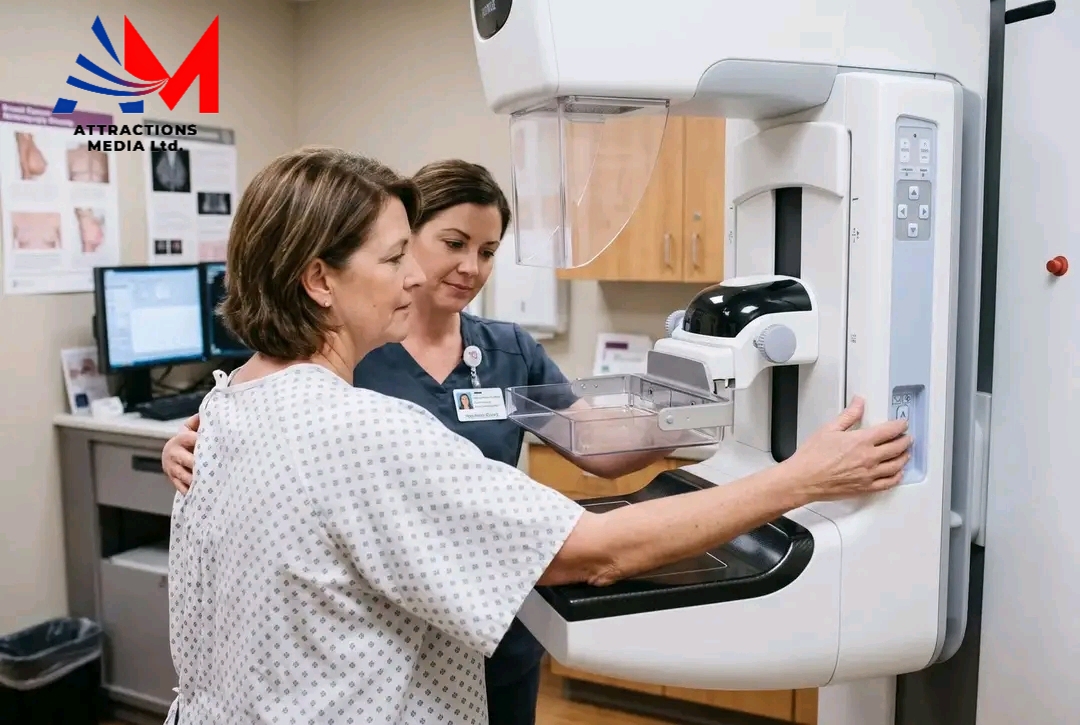
The National Health Service (NHS) started inviting women to participate in the world’s largest trial of artificial intelligence-assisted breast cancer screening in November 2026. Recruitment commenced at Cambridge University Hospitals, the first of 30 planned sites across the United Kingdom.
The trial, known as EDITH (Early Detection using Information Technology in Health), aimed to enroll nearly 700,000 women over three years.
The £10 million trial was funded by the government through the National Institute for Health and Care Research (NIHR). The University of Warwick, the University of Cambridge, and Cambridge University Hospitals NHS Foundation Trust led the study in close collaboration with NHS England.
Researchers designed the trial to test whether AI-assisted tools could help clinicians review mammogram images more efficiently while maintaining safety standards.
Under the existing screening process, two specialist radiologists reviewed each mammogram. The EDITH trial tested whether AI could safely allow most images to be reviewed by only one specialist, freeing up radiologists to focus on other critical cancer care.
The AI tool was used alongside specialists to identify cancers that were too small to see or feel. Importantly, all clinical decisions remained with NHS staff, and every scan continued to be reviewed by at least one human expert.
Yvette Cooper, the Health and Social Care Secretary, visited the trial team at Addenbrooke’s Hospital and stated, “This is the biggest AI breast cancer trial in the world, backed by £10 million of government investment to speed up diagnosis and potentially deliver life-saving improvements.” She added that proper safeguards were required to ensure the technology was used safely and effectively.
Professor Peter Johnson, National Clinical Director for Cancer at NHS England, emphasized the significance of early detection, stating, “The difference between finding breast cancer early and finding it at a late stage is profound.” He noted that AI tools had enormous potential to help find more cancers sooner and free up doctors’ time.
Professor Lucy Chappell, CEO of the NIHR, said the trial would generate vital evidence on whether the technology could transform how cancer was detected and diagnosed while maintaining the safety and human expertise at the heart of NHS care.
Dr Stephen Harden, president of the Royal College of Radiologists, cautioned that the trial was not a quick fix. He stated that AI had real potential to free up radiologists’ time, but it would not address the immediate need for more radiologists to ensure patients received prompt answers about their health.
Breast cancer was the most common cancer in women in the UK, with approximately 55,000 diagnoses each year. Women aged 50 to 71 were invited for screening every three years, amounting to around 2.1 million screenings annually, which helped prevent approximately 1,300 deaths.
The trial represented a significant step in evaluating whether AI could safely enhance the efficiency of the national screening programme without compromising patient care.