



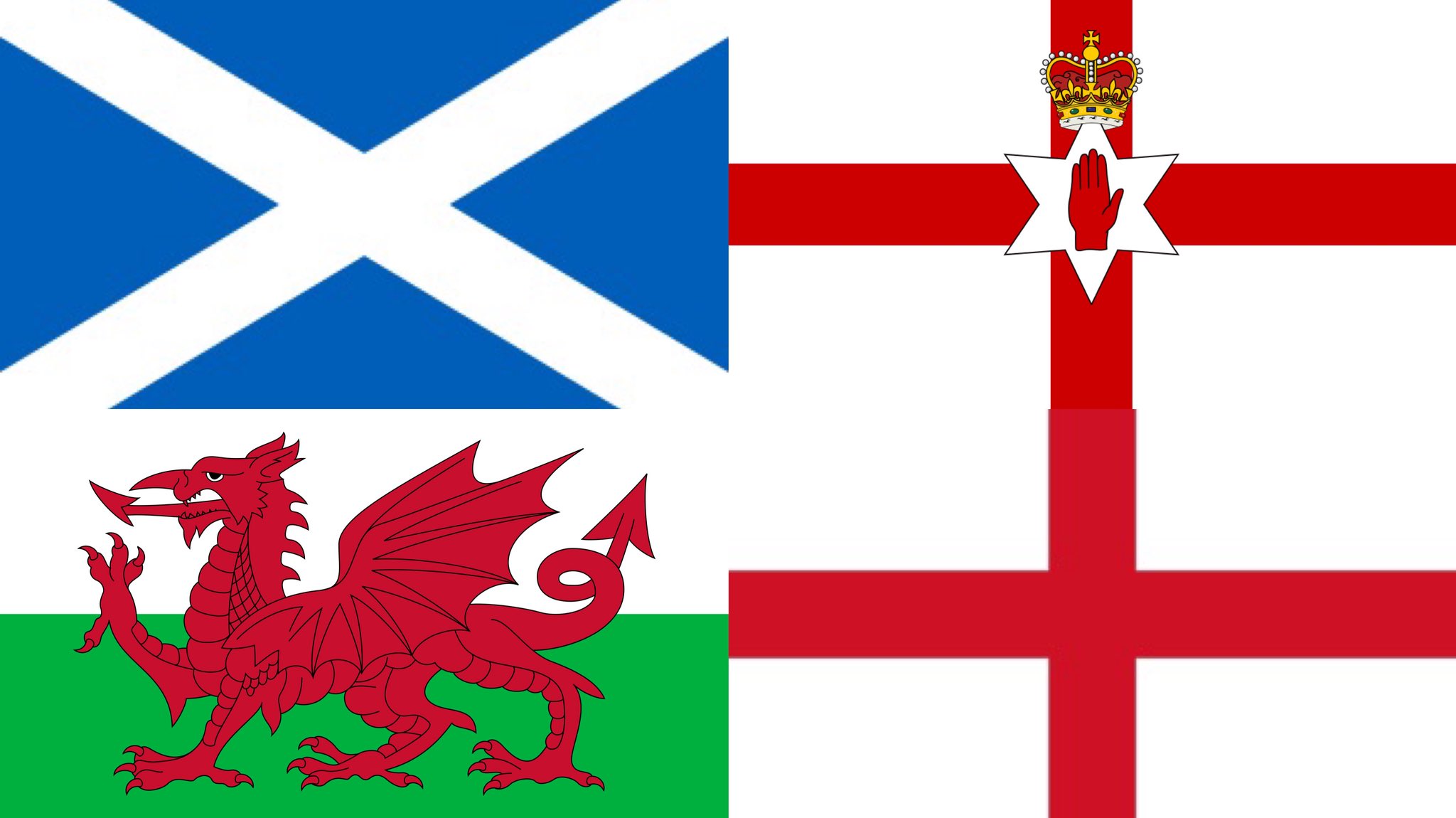
The future of the United Kingdom has been thrown into fresh uncertainty after the leaders of Scotland, Wales and Northern Ireland joined forces to demand greater control over their constitutional futures.
At a landmark meeting in Cardiff, SNP leader John Swinney, Plaid Cymru leader Rhun ap Iorwerth and Sinn Féin leader Michelle O’Neill signed a memorandum of understanding committing their parties to work together on self-determination and wider political cooperation. Sinn Féin president Mary Lou McDonald also attended the summit.
The agreement represents the strongest coordinated push in recent years by the three nationalist movements to challenge the existing constitutional structure of the United Kingdom.
Under the vision being promoted by the parties, Scotland and Wales could eventually become independent countries outside the UK, while Northern Ireland could pursue reunification with the Republic of Ireland through the established constitutional process.
The memorandum does not itself grant independence to any of the nations. Instead, it seeks to build political momentum for referendums and establish cooperation between the three movements as they campaign for the right of their respective peoples to determine their futures.
The agreement is also expected to strengthen cooperation on economic policy, energy, relations with Europe and international affairs. Reports indicate that the parties want Scotland and Wales to become members of the European Union as independent states, while Northern Ireland would be part of a united Ireland.
Swinney has made clear that he believes the political landscape is changing rapidly. Ahead of the summit, he said: “Every nation across these islands is standing at a moment of incredible constitutional opportunity.”
The Scottish leader has also urged Westminster to turn its stated recognition of Scotland’s right to decide into a legal mechanism for holding another independence referendum.
For Northern Ireland, the question is tied to the Good Friday Agreement, which provides a constitutional route for a border poll when the required conditions are met. For Scotland, another independence referendum would require agreement on the legal mechanism, while Wales faces its own constitutional debate over expanded powers and eventual independence.
The development comes as all three nations are governed by parties that support some form of constitutional separation from the UK, creating an unprecedented challenge to Westminster’s authority.
With the three leaders now presenting a united political front, the debate over whether the United Kingdom can remain intact has entered a new and potentially decisive phase.