



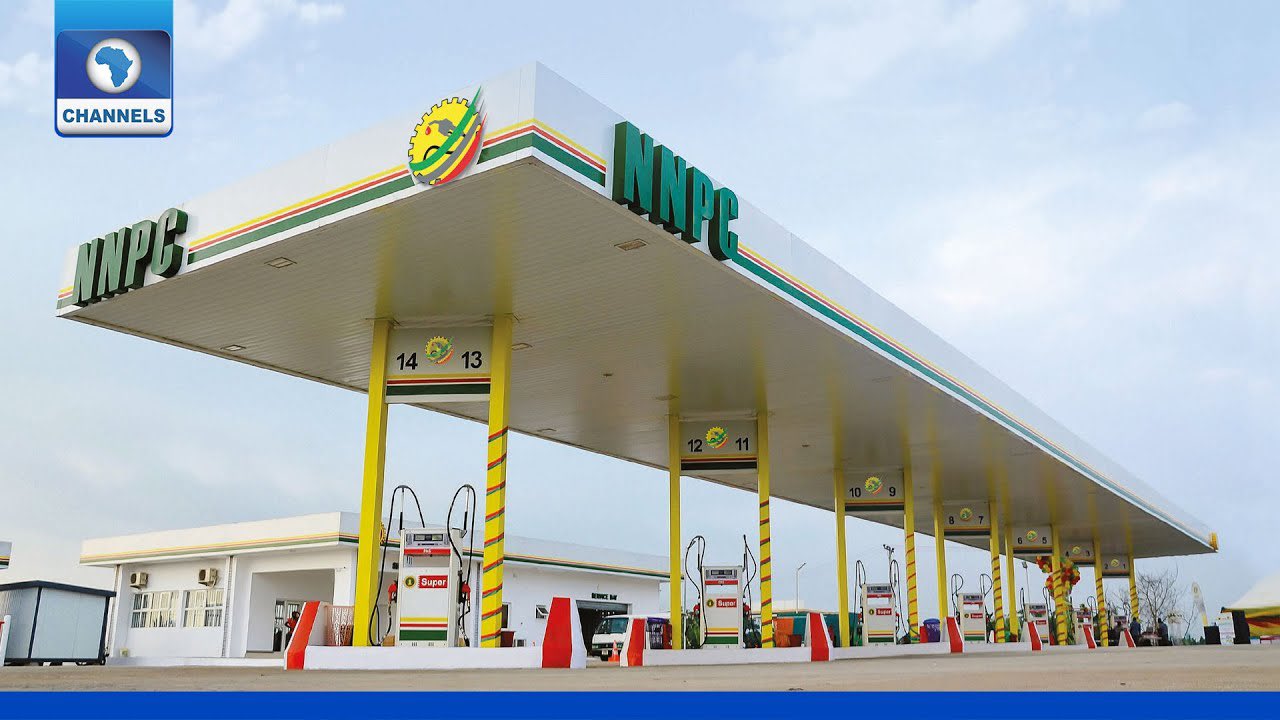
Nigeria’s fuel retail landscape could be heading for a major technological overhaul as the Nigerian National Petroleum Company Limited announces plans to introduce between 50 and 70 smart, self-service filling stations across the country within the next six months.
The proposed expansion would bring automated fuelling technology to more locations and could significantly reduce the dependence on traditional attendant-led fuel dispensing.
Smart self-service stations allow motorists to take greater control of their fuel purchases through automated dispensing and electronic payment systems. Depending on the technology deployed, customers can make payments digitally, monitor the quantity dispensed and receive electronically recorded transaction details.
The move comes as self-service fuelling is gradually gaining a foothold in Nigeria. Sunbeth Energies launched a self-service station in Lagos earlier this year, describing the system as a technology-driven approach designed to provide customers with greater control, transparency and convenience.
Other players are also moving in the same direction. Eterna Plc partnered with Fuelmetrics Limited to introduce self-service fuel terminals across its retail stations, with the system designed to support digital payments, real-time tracking and automated reporting.
A.A. Rano has similarly announced the deployment of fully automated unmanned stations using digital pumping technology and contactless payments. The company said its system was developed in partnership with Nigerian technology firm Petrosoft Limited and was intended to operate around the clock.
NNPC’s proposed rollout would give the government-owned energy company a much larger presence in this emerging segment. Its retail arm, NNPC Retail Limited, says it is focused on expanding its retail outlet network while ensuring the last-mile availability of petroleum products nationwide.
The planned stations could also improve transaction transparency and operational efficiency if the technology is properly implemented. Automated fuel systems can record transactions electronically and reduce the amount of cash handled at the point of sale.
However, the transition to automated fuel retailing also comes with wider implications for workers and the traditional filling-station model. The emergence of unmanned stations has already generated concerns about the future role of petrol attendants in an industry increasingly embracing automation.
With NNPC targeting 50 to 70 stations within six months, the proposed rollout could mark one of the most significant changes yet in Nigeria’s fuel retail sector, bringing automated fuelling closer to everyday motorists across the country.