



The United States imposed an additional 12.5 percent tariff on Nigerian imports. Officials acted after an investigation revealed gaps in efforts to block goods made with forced labour.
United States Trade Representative Jamieson Greer announced the measure on June 3. Greer stated that the failure of trading partners to address forced labour imports created unfair competition for American workers. The Office of the United States Trade Representative led a Section 301 investigation into 60 economies.
Nigeria fell into the group of 45 countries that received the 12.5 percent rate. These nations had not imposed and enforced effective prohibitions on forced labour goods, according to the USTR findings. In contrast, some partners with partial plans faced only 10 percent duties.
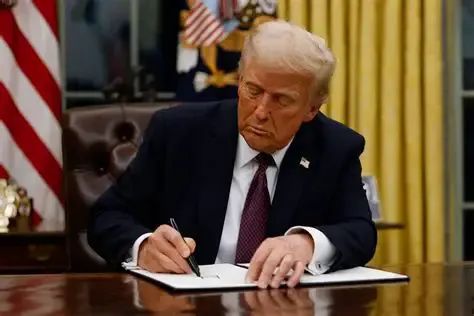
The decision formed part of efforts to rebuild former President Donald Trump’s tariff policies. A Supreme Court ruling had struck down earlier emergency tariffs in February. Transitioning from that setback, the new duties aimed to strengthen protections against unfair trade practices.
Several other African countries, including South Africa and Morocco, also faced the 12.5 percent tariffs. The USTR determined that these nations failed to curb forced labour in global supply chains. As a result, many Nigerian exports to the US market became more expensive.