



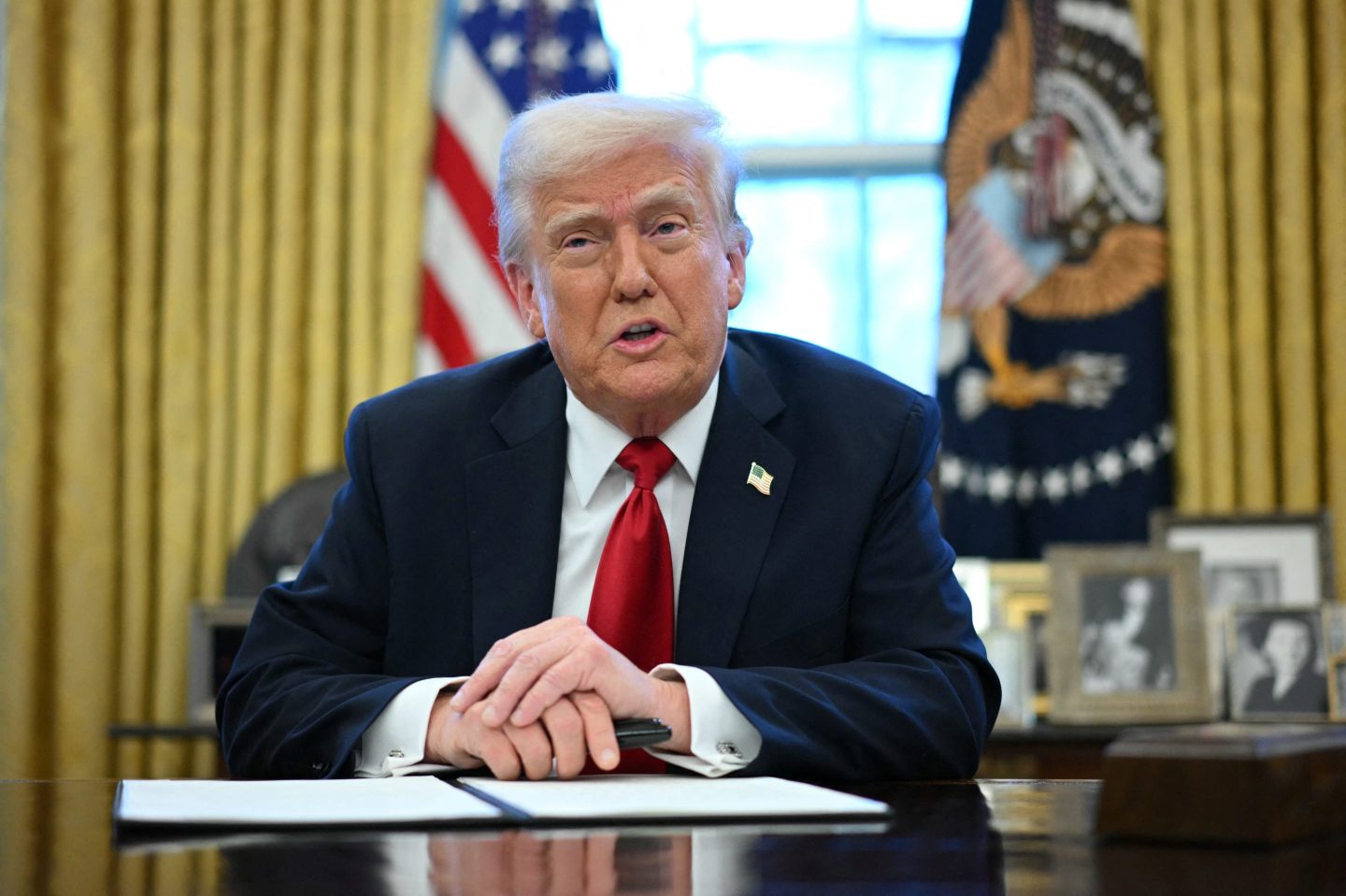
US President Donald Trump directed his administration to launch investigations into 60 countries over forced labour practices. The move opened the door to new tariffs on key allies and rivals alike.
United States Trade Representative Jamieson Greer announced the Section 301 investigations on March 12 2026. Greer stated that many governments failed to block goods made with forced labour. He added that such failures hurt American workers and businesses. The probe covered major trading partners such as China, the European Union, Canada, the United Kingdom, Japan and Mexico.
Officials completed key parts of the review by early June 2026. The administration then proposed additional tariffs of 10 percent on imports from countries including Canada, the United Kingdom and the European Union.
It suggested 12.5 percent duties on others such as China, Japan and India. Trump administration officials described the measures as necessary to protect US commerce.
Leaders in the United Kingdom and Canada expressed concern after the announcement. They noted the investigations targeted close allies. Trade experts observed that the action formed part of a broader effort to restore tariff policies struck down earlier by the US Supreme Court.
The forced labour probe followed another investigation into industrial overcapacity. President Donald Trump used the probes to maintain pressure on global partners.
Supporters said the strategy strengthened enforcement against unfair practices while critics warned of rising tensions in international trade. The proposed tariffs remained subject to public comments and further review.