



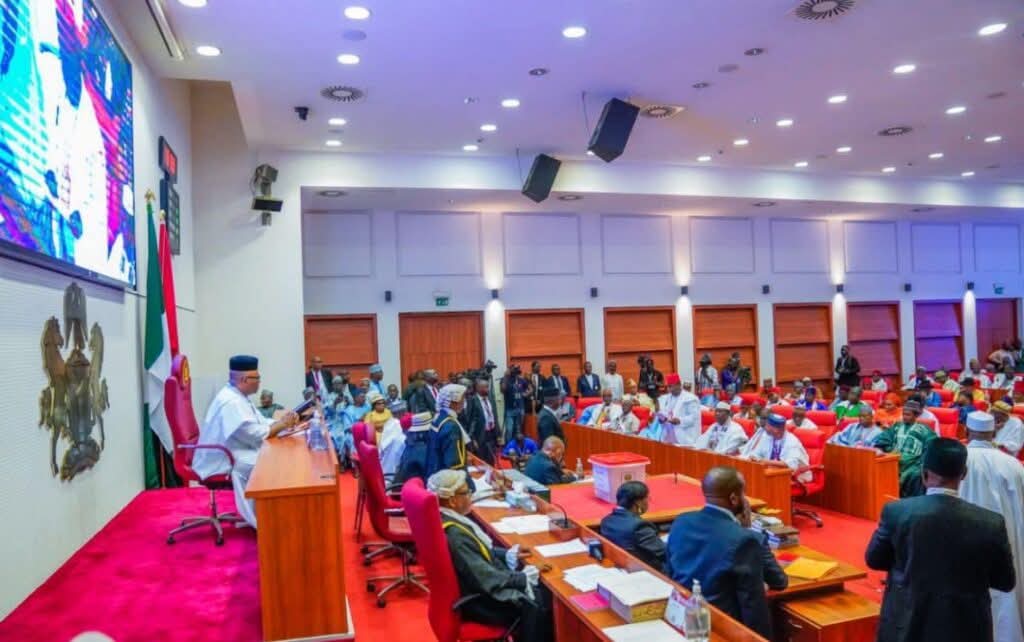
The Nigerian House of Representatives experienced a rowdy session on Tuesday, February 17, 2026. Speaker Tajudeen Abbas presided over the sparsely attended resumed plenary. The single item on the Order Paper concerned the rescission of the Electoral Act (Amendment) Bill, 2025.
Francis Waive, Chairman of the House Committee on Rules and Business, moved the motion. Adebayo Balogun, Chairman of the House Committee on Electoral Matters, supported it. The motion sought to rescind the House’s earlier decision on the bill. Lawmakers aimed to recommit the legislation to the Committee of the Whole for further consideration.
Waive explained that a Technical Committee had met. The committee included leadership from both chambers, Conference Committee members, clerks, and legal drafting experts. It worked to harmonize the bill and address anomalies. Waive stressed the need to protect electoral timelines, ensure maximum participation, promote fairness, inclusivity, administrative efficiency, and build public confidence. He added that the process corrected inconsistencies and unintended consequences.
Speaker Tajudeen Abbas called for a voice vote on the motion. Most lawmakers voted nay and opposed the rescission. However, the Speaker counted the fewer ayes. This ruling triggered agitation, especially among minority caucus members who formed the majority on the floor.
The session grew disorderly as lawmakers protested. Abubakar Yalleman, a lawmaker from Jigawa, pointed a finger at Bamidele Salam, his counterpart from Osun State. Details of their exchange remained unconfirmed. Speaker Tajudeen Abbas then adjourned the House into a closed-door executive session. Lawmakers had not resumed open proceedings at the time of reporting.
An anonymous lawmaker told PUNCH that attempts occurred to alter the version of the bill already passed by the House. The lawmaker stated, “They have doctored the Electoral Act, but whatever they brought here will not be considered. Members are angry.”
The chaos stemmed from disagreements over the harmonized version of the bill. The House had approved real-time electronic transmission of election results. In contrast, the Senate allowed manual transmission as an alternative if real-time transmission failed. These differences fueled tensions during the attempt to rescind and revisit the legislation. No resolution from the executive session emerged in initial reports.