



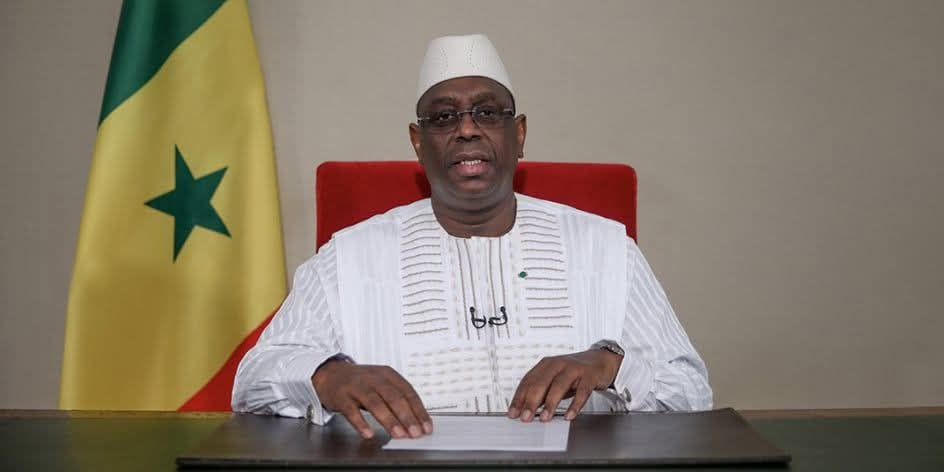
Burundi officially notified the United Nations of Macky Sall’s candidacy on March 2, 2026. Burundian President Évariste Ndayishimiye submitted the nomination in his capacity as current Chairperson of the African Union. UN General Assembly spokesperson La Neice Collins confirmed the nomination on the same day.
Sall served as president of Senegal from 2012 to 2024. He also chaired the African Union in 2022. During his AU presidency, he intensified diplomatic engagement with G20 partners and international financial institutions to improve African access to concessional financing.
Sall Joins Growing Field of Candidates
Sall entered a race that already included former Chilean President Michelle Bachelet and Argentine diplomat Rafael Grossi, who currently heads the International Atomic Energy Agency. Costa Rica also announced former Vice President Rebeca Grynspan as a candidate.
If elected, Sall would become the third African to hold the post after Boutros Boutros-Ghali of Egypt and Kofi Annan of Ghana. No African has led the UN since Annan completed his tenure in 2006.
African Union Pushes for Representation
The African Union renewed calls for an African candidate to lead the UN. The continent represents more than a quarter of UN member states and handles a significant share of the organization’s peacekeeping operations.
Burundi’s nomination signaled unified continental support for Sall’s bid. However, member states had not reached a formal consensus within the African Union, and additional candidates could emerge in the coming months.
Selection Process Follows Established Timeline
The UN invited member states to submit candidates in November 2025. Interactive dialogues with candidates were scheduled for the week of April 20, 2026. During these sessions, candidates presented their vision statements and answered questions from member states.
The 15-member Security Council will conduct secret straw polls to gauge support. Any candidate must secure at least nine votes and no vetoes from the five permanent members. The current mandate of António Guterres ends on December 31, 2026. The new secretary-general will assume office on January 1, 2027.
Guterres served two full five-year terms. He will complete a decade in office when his tenure expires.
Sall’s Candidacy Draws Mixed Reactions
Supporters pointed to Sall’s extensive diplomatic experience and leadership of the African Union. Critics in Senegal raised questions regarding his domestic fiscal record. The candidacy also faced scrutiny amid growing campaigns for the UN to appoint its first female secretary-general.
The selection comes at a time of heightened geopolitical tensions and a shifting global balance of power. The successor will oversee thousands of civilian staff and 11 peacekeeping operations worldwide.