



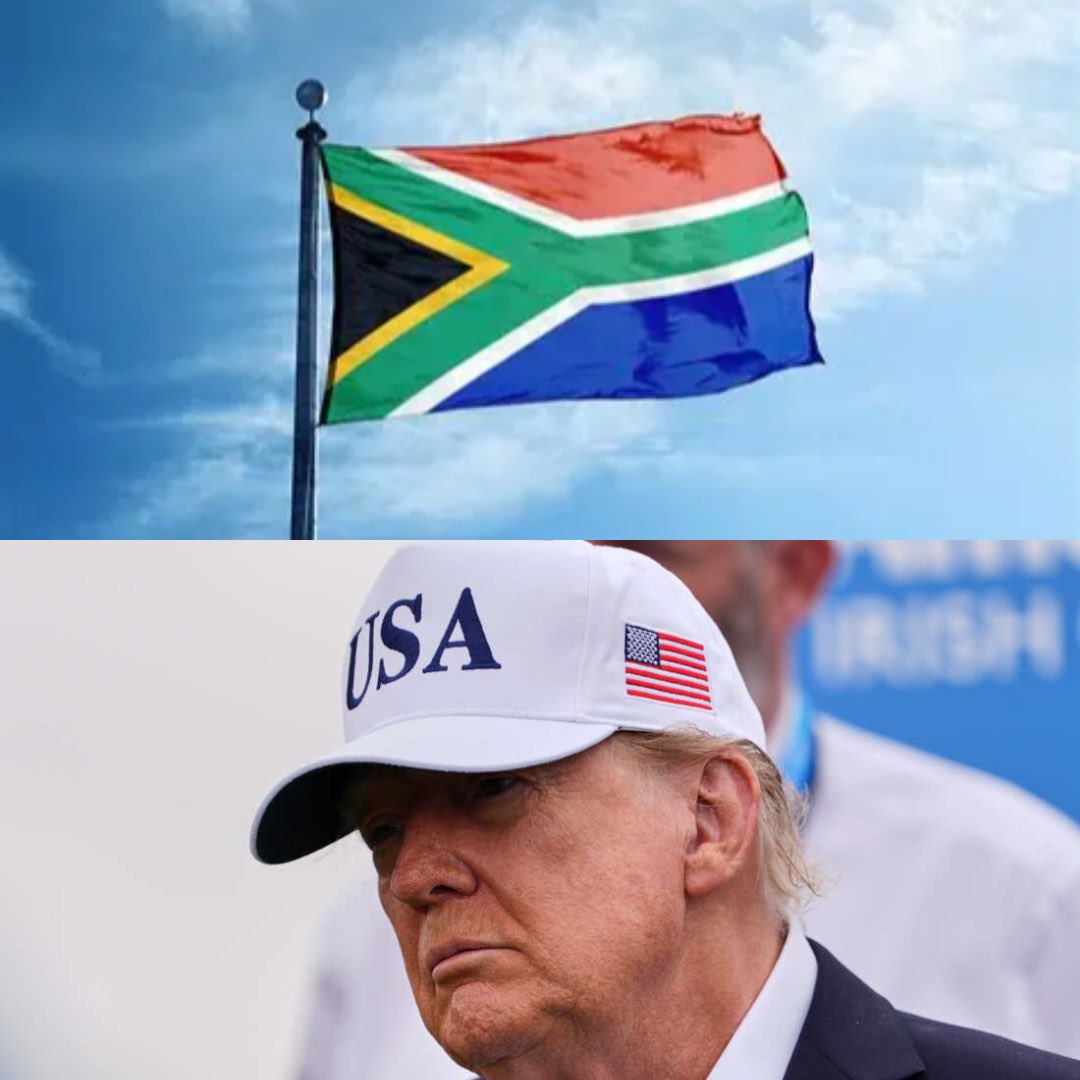
A fresh diplomatic clash has erupted between the United States and South Africa after Washington announced new visa restrictions against foreign nationals it says are connected to controversial land, race and violence-related policies.
US Secretary of State Marco Rubio unveiled the policy on Tuesday, September 15, 2026, saying it would target people responsible for, or complicit in, policies that the United States says facilitate uncompensated land seizures, race-based discrimination or the incitement of imminent violence against minority ethnic or racial groups.
The restrictions are being imposed under Section 212(a)(3)(C) of the Immigration and Nationality Act. The State Department said the provision gives the Secretary of State authority to declare a foreign national inadmissible if their entry could have “potentially serious adverse foreign policy consequences” for the United States.
Rubio said the new policy was necessary because Washington believes the South African government has failed to adequately address concerns previously raised by the Trump administration.
“The South African government has not adequately addressed the previously laid out concerns,” Rubio said in the announcement.
He said the United States remains concerned about what it describes as racially motivated crime and government-sponsored discrimination involving Afrikaners and other minority populations.
The State Department also pointed to South Africa’s land reform debate, including threats of land expropriation without compensation, as well as legislation it describes as race-based. Rubio further cited what Washington considers incitement of racial violence through dehumanising chants and slogans.
The latest move adds another layer to deteriorating relations between Washington and Pretoria. The Trump administration has previously taken action against South Africa over its policies toward racial inequality and land reform, while Pretoria has rejected accusations that it is persecuting white South Africans.
The restrictions are not a blanket suspension of visas for South African nationals. They are aimed at individuals whom US authorities determine are responsible for, or involved in, the specified policies.
The State Department said certain family members could also be covered by the restrictions. However, no specific individuals were named publicly alongside the announcement, meaning the immediate list of affected people remains unclear.
Rubio called on Pretoria to act quickly, saying Washington expects the South African government to address the issues raised by the United States.
The announcement is likely to place further strain on diplomatic ties between the two countries as both governments continue to disagree over South Africa’s domestic policies and Washington’s response to them.