



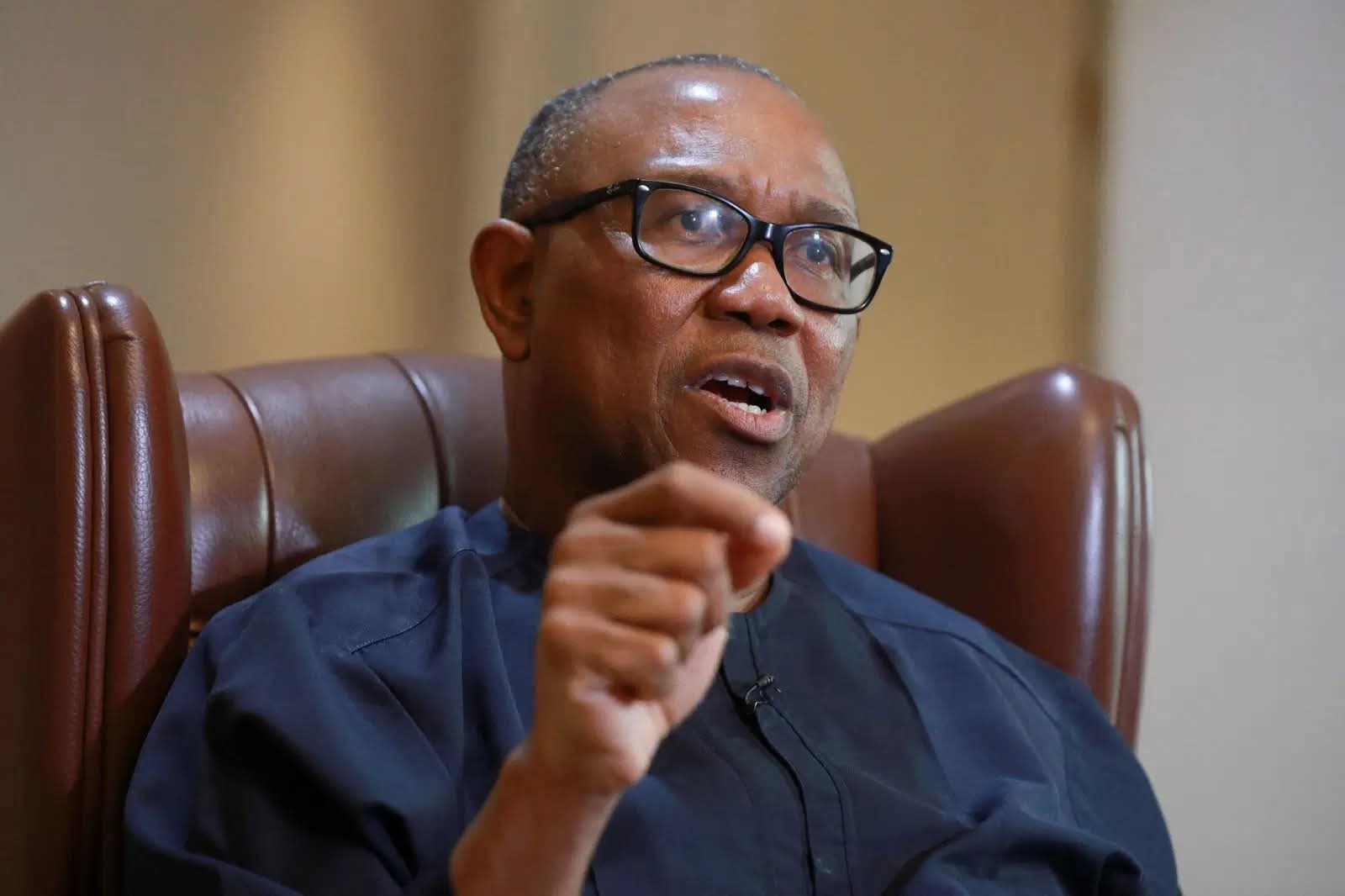
Northern political stakeholders expressed support for Peter Obi’s commitment to serve only one term as president if elected in 2027. They described the proposal as a step toward national unity and political stability.
Peter Obi, the former governor of Anambra State and Labour Party presidential candidate in 2023, renewed his pledge recently. He stated that he would not stay in office beyond four years. Supporters viewed this as a confidence-building measure that addressed concerns about power rotation between the north and south.
A growing number of northern figures backed the idea. They argued that the one-term pledge promoted equitable representation and reduced political tension. Ibrahim Hussaini Abdulkarin, one advocate, said citizens should not assume every political promise would be broken. He pointed to Obi’s record of prudence and accountability in public service.
Dr. Muhammad Hamisu, the Kano State Coordinator of Kwankwasiyya Diaspora, added his voice. He noted that many northerners regarded Obi as a credible leader. Hamisu explained that confidence in Obi rested on leadership driven by justice, fairness, inclusion, and accountability.
Supporters within the Kwankwasiyya movement saw the proposal as a basis for a broader political alliance. They believed it could reshape the political landscape ahead of the 2027 elections. The arrangement, they maintained, offered a predictable transition that served both northern and southern interests.
Northern backers further contended that the pledge symbolized political accommodation. They expressed optimism that it would foster inclusive governance and national reconciliation if influential leaders endorsed it.
Peter Obi previously served as governor of Anambra State. His supporters continued to cite his governance achievements as evidence that he could deliver results within the four-year period. The discussions reflected ongoing efforts to build consensus across regional divides in Nigeria’s politics.