



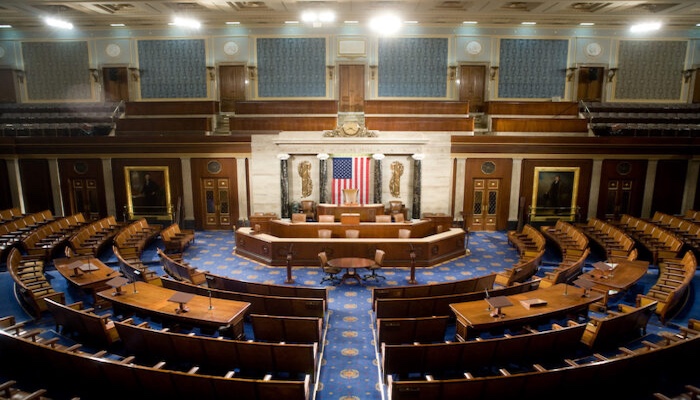
In a significant move, the House of Representatives passed a major foreign policy bill. On Thursday, lawmakers approved $1.3 billion in security assistance for Ukraine and authorized $8 billion in loans.
Furthermore, the measure imposed strict oil sanctions and a 500 percent tariff on Russian imports. The chamber voted 226 to 195 to approve the legislation.
Donald Trump, the United States President, opposed the bill. He argued that the legislation hindered his ability to negotiate a peace agreement. Additionally, Mike Johnson, the House Speaker, urged Republicans to reject the measure. Johnson stated that lawmakers needed to give the president room for diplomatic negotiations.
Despite the opposition, 18 Republicans and one independent joined 207 Democrats to advance the package. Greg Meeks, a Democratic Representative from New York, and Brian Fitzpatrick, a Republican Representative from Pennsylvania, organized a discharge petition. This tool allowed lawmakers to bypass leadership and force a vote after they gathered 218 signatures.
Meeks delivered a firm statement regarding the legislation. He questioned whether the House would help Ukraine negotiate from a position of strength or force a terrible deal. Fitzpatrick echoed this sentiment. He stated that the vote sent a message to Vladimir Putin, the Russian President, that America cared about Ukraine.
Kevin Kiley, an Independent Representative from California, provided the final signature for the petition. Kiley explained his decision clearly. He noted that the collapse of a recent ceasefire demonstrated that Ukraine needed leverage for diplomacy to succeed.
However, the bill faced an uncertain future in the Senate. Lawmakers needed to secure 60 votes to overcome a filibuster. If the Senate passed the legislation, the president retained the power to veto the measure, which required a two thirds majority to override.